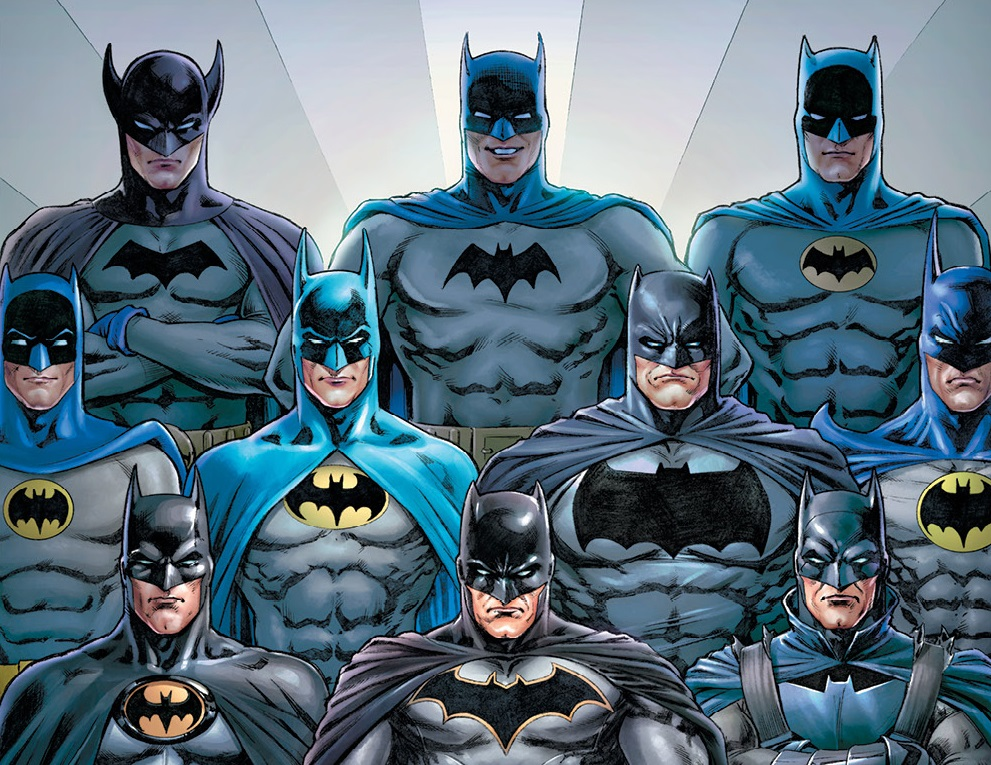
Depictions of Batman through the years
I will explore how the depictions of Batman have changed since his comic-book inception in 1939, through the 1960s Batman TV show, and also in modern versions in cinema and TV.
Batman was introduced by artist Bob Kane and writer Bill Finger in 1939 through ‘Detective Comics’ (DC) #27. Batman started with inspiration from pulp-fiction characters and was a ruthless vigilante, often killing criminals. He quickly evolved into the man we know now, with a strict moral code prohibiting killing. Batman has no ‘superpowers’, instead relying on intellect, fighting prowess and wealth to battle Gotham’s underworld.
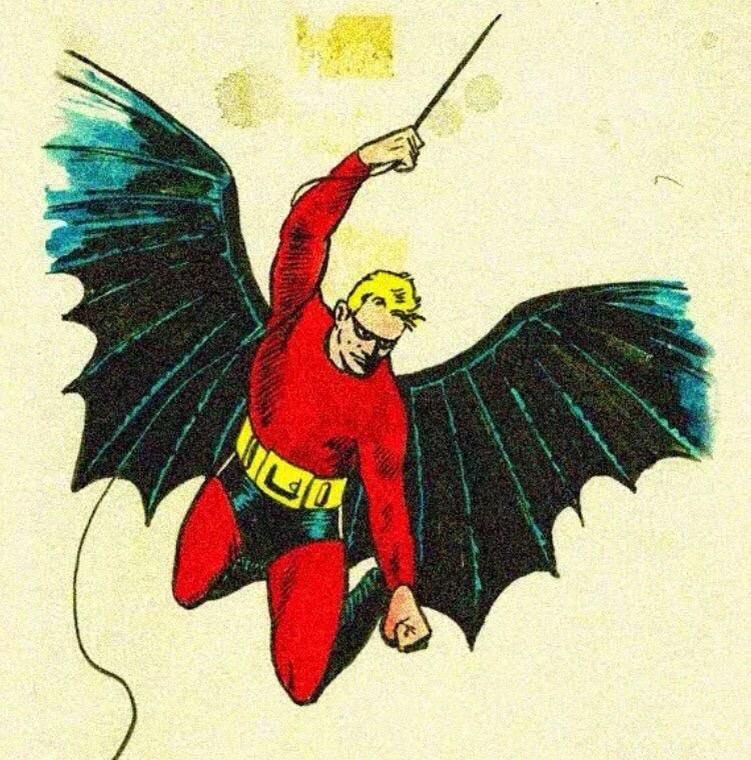
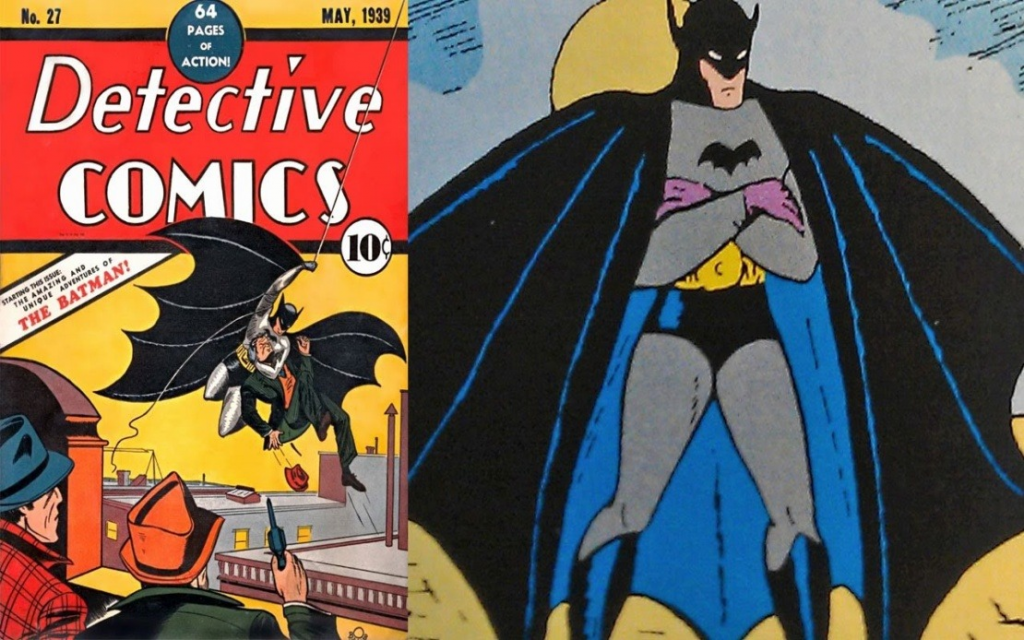
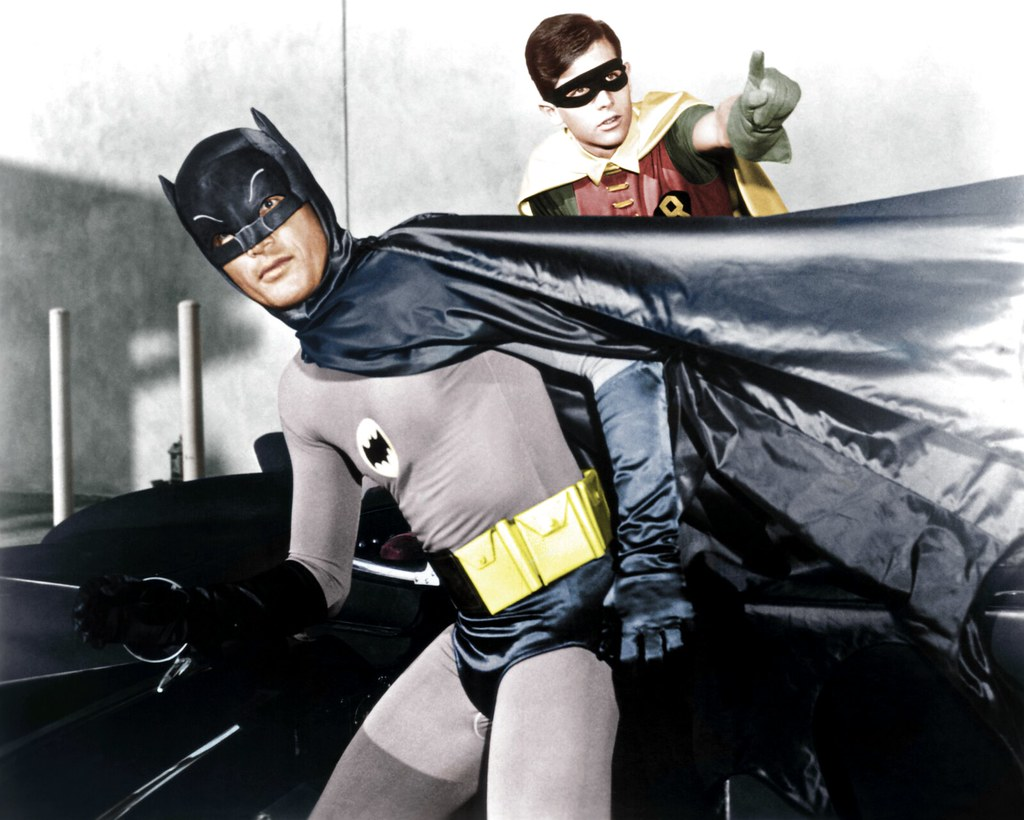
This early depiction is light-years from Adam West’s version in the 1960s. What brought about this change from vigilante to the family-friendly TV hero? The ‘Comics Code of Authority (CCA) (established 1954) was a ‘self-policing list of codes and ethics’ for the comic book industry. Comics had to follow this ‘list’ to be published. “Distributors refused to carry most comics that did not bear the Comics Code Seal of Approval on their cover” (J. P. Williams, 1987). The CCA came into being at the same time as McCarthyism, Cold War paranoia, and Christian-Right values were casting their shadow over the political and social conventions of the time.
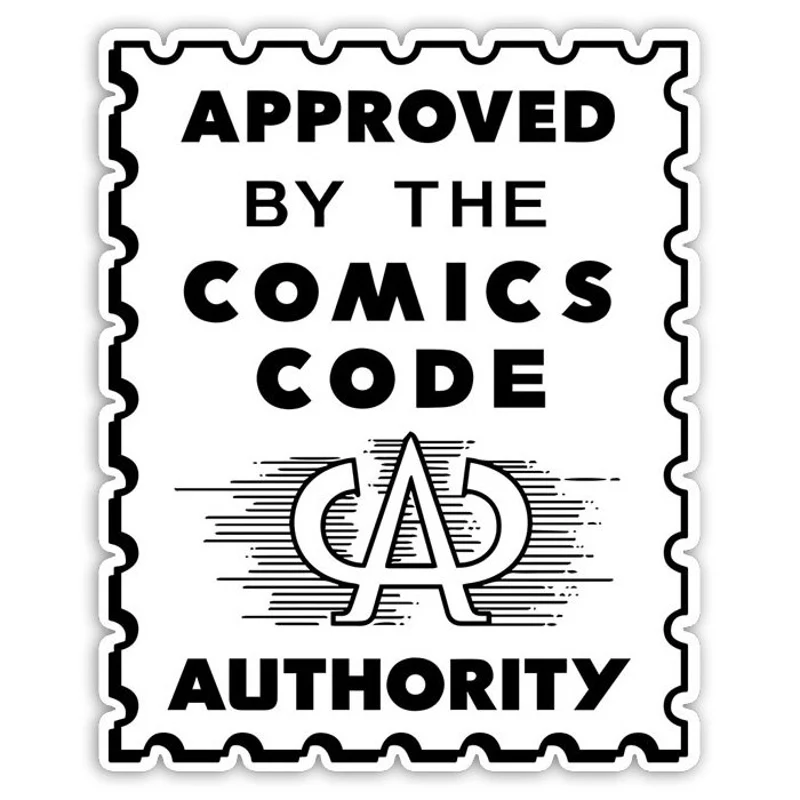
The CCA was based on the work of psychiatrist Dr. Frederic Wertham’s book, Seduction of the Innocent (1954), which stated that the perceived rise in juvenile delinquency was due to “mass influences on the child’s mind.” (Wertham, 1954) the influence being comic books which, in his mind, glamorised crime.
The first Administrator for the CCA, Charles F. Murphy wrote “Juvenile delinquency is the hydra-headed monster of our time, far too complex to have a single spawning ground”(A Seal of Approval for Comic Books, 1954). William Gaines, publisher of the Entertainment Comics Group, countered with “Nobody has ever been ruined by a comic,” (1954) citing examples of equally disturbing content published in newspaper headlines. His testimony was not well received.
The principles of the CCA were that evil cannot triumph over good, there should be no profanity or undesirable symbols, the criminal should always be justly punished for their misdeeds, and never shown sympathetically, violence should be limited, and there should be no detrimental portrayal of the law enforcement, government, respected institutions, or the justice system.
Whilst the 1960s show was not covered by the edicts of the CCA, the sources of inspiration available to pull from were more childish. It also would most likely have had to have followed TV guidelines, which were probably similar to those of the CCA. This led to its comedic tone and cartoon-like violence, which would appeal to a younger audience.
The CCA rules were relaxed in the 1980s. For example, the comic ‘A Death in The Family’ (where the Joker brutally tortures and murders Robin) was released in 1988, and the Frank Miller ‘Dark Knight Returns’ (1986) shows an older, darker and grittier Batman, where he even fights Superman, the quintessentially American hero.
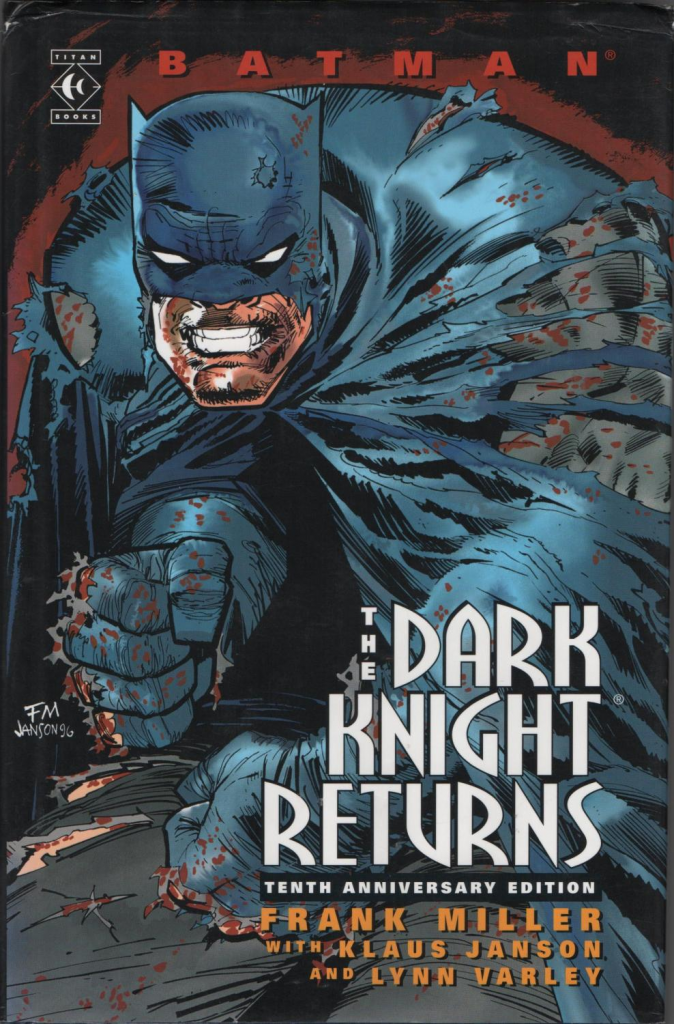
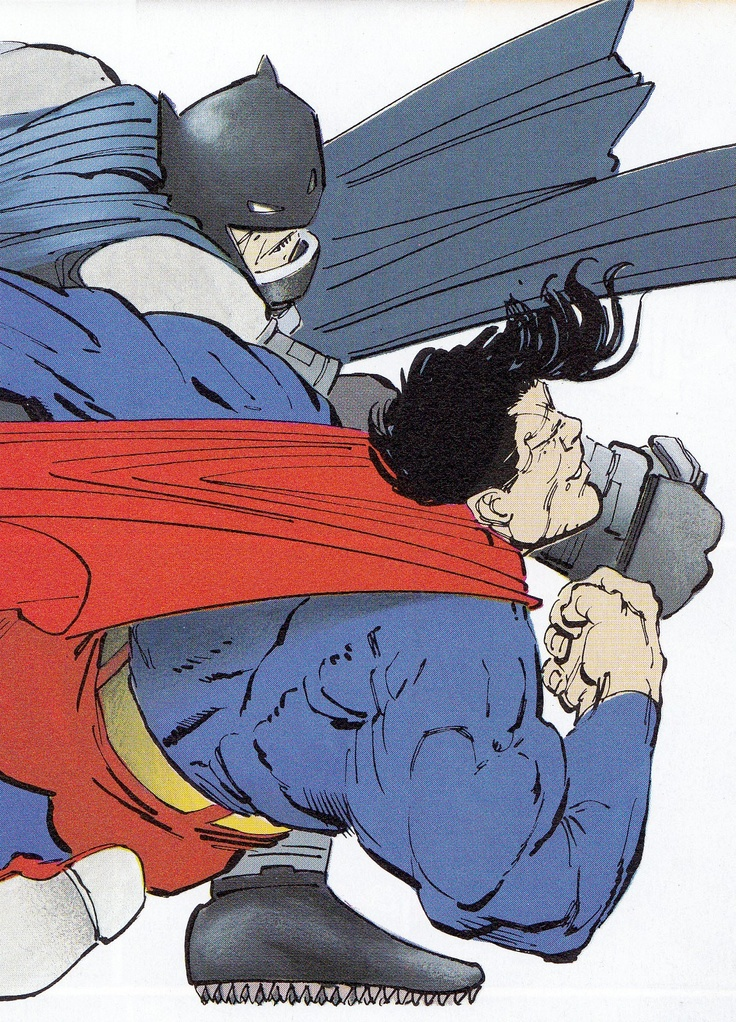

These comics were likely the inspiration for the darker, grittier movies, ‘Batman’ (1989) and Batman Returns (1992). At around the same time, the animated version of Batman pushed boundaries and redefined the character and his villains. ‘Batman: The Animated Series’ (BTAS) (1992) took the very best of Batman’s back-catalogue and produced what is considered by many to be the best portrayal of this complicated character. He was portrayed in more of a detective role, complex, deep, intelligent, caring and human. This version of Batman was later continued in ‘The Justice League’ (2001) and ‘The Justice League Unlimited’ (2004), with some slight changes. He was now also slightly paranoid, controlling and blunt.
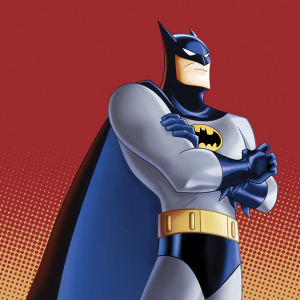
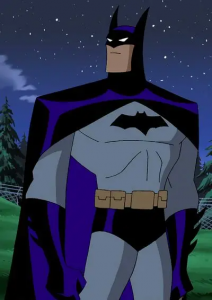
Unlimited Batman Design
‘The Dark Knight Returns’ (1986) likely influenced Christian Bale’s Batman from ‘Batman Begins’ (2005), ‘The Dark Knight’ (2008) and ‘The Dark Knight Rises’ (2012). In these movies Batman shows us three very separate characters. Batman, Bruce Wayne and the brooding Bruce Wayne. The first being the public face shown to the world, the second the more familiar face shown to close friends and family, and the third, a private, truest self that is never revealed to anyone.

One of Jung’s (a Swiss psychiatrist and psychoanalyst) theories says that a child learns that displays of certain personality traits are bad (aggressiveness, impulsiveness, etc) and so push these aspects of themselves into the subconscious. Eventually, all these repressed emotions and traits coagulate into the “shadow.” “The shadow represents a part of the psyche that is more animalistic” (Boeree, 2006).
The question these films indirectly asks is…. which is which? Which incarnation is the true man, and which is the shadow? This is the enigma of any human.
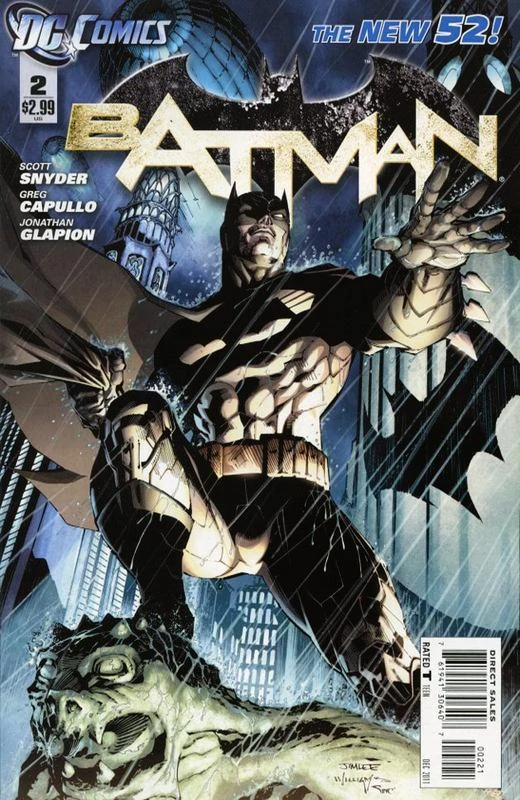
In 2011 DC comics stopped participating with the CCA and gave comic writers and artists much more freedom by creating its own rating system. They followed this by cancelling the old comics and relaunching their entire line of superheroes in a new universe. Backstories could be re-written without the CCA’s interference. After this most of Batman’s depictions became similar, probably taking inspiration from the later BTAS character.
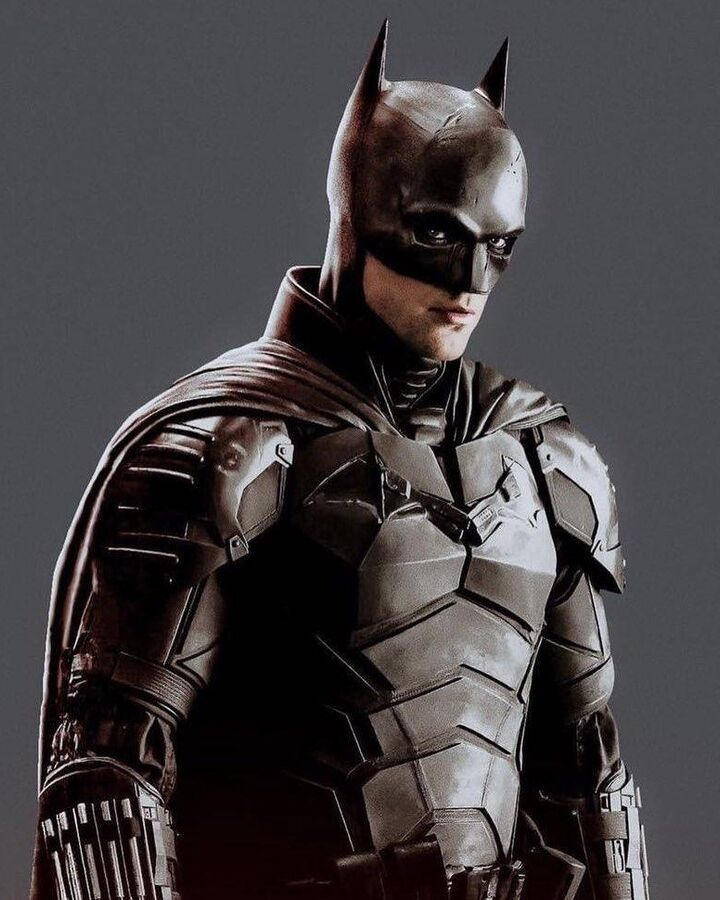
The version of Batman in ‘The Batman’ (2022) film retains and increases the dark grittiness of Bale’s depiction. This means it loses some humanity and brings him closer to his 1940s depiction.
In conclusion, the character of Batman has changed with public taste and government intrusion. From dark vigilante, through goofy, family friendly shows and movies, to a very human portrayal of the man behind the mask. A highly likely reason for this is the ground-breaking animated series of the early 1990 s, which his current writers would have grown up watching and been influenced by. Now the CCA no longer exists, Batman is a lot freer to be as complex, flawed, dark and human as writers want him.
The question now is, do people want a complex, flawed and human superhero, or would they prefer someone who stands steadfastly for the rule of truth, justice, and a better tomorrow?
CITATIONS:
Boeree, C. G. (2006). Carl Jung. Personality Theories.
Charles F. Murphy, A Seal of Approval for Comic Books, 19 FED. PROBATION 19 (June 1955).
Janice Dickin McGinnis, Bogeymen and the Law: Crime Comics and Pornography, 20 OTTAWA L. REV. 3 (1988)
J. P. Williams, Why Superheroes Never Bleed: The Effects of Self-Censorship on the Comic Book Industry, 26 FREE SPEECH Y.B. 60 (1987).
